Why Your Concrete Cracks: The Truth About Water, Slump, and Jobsite Mistakes
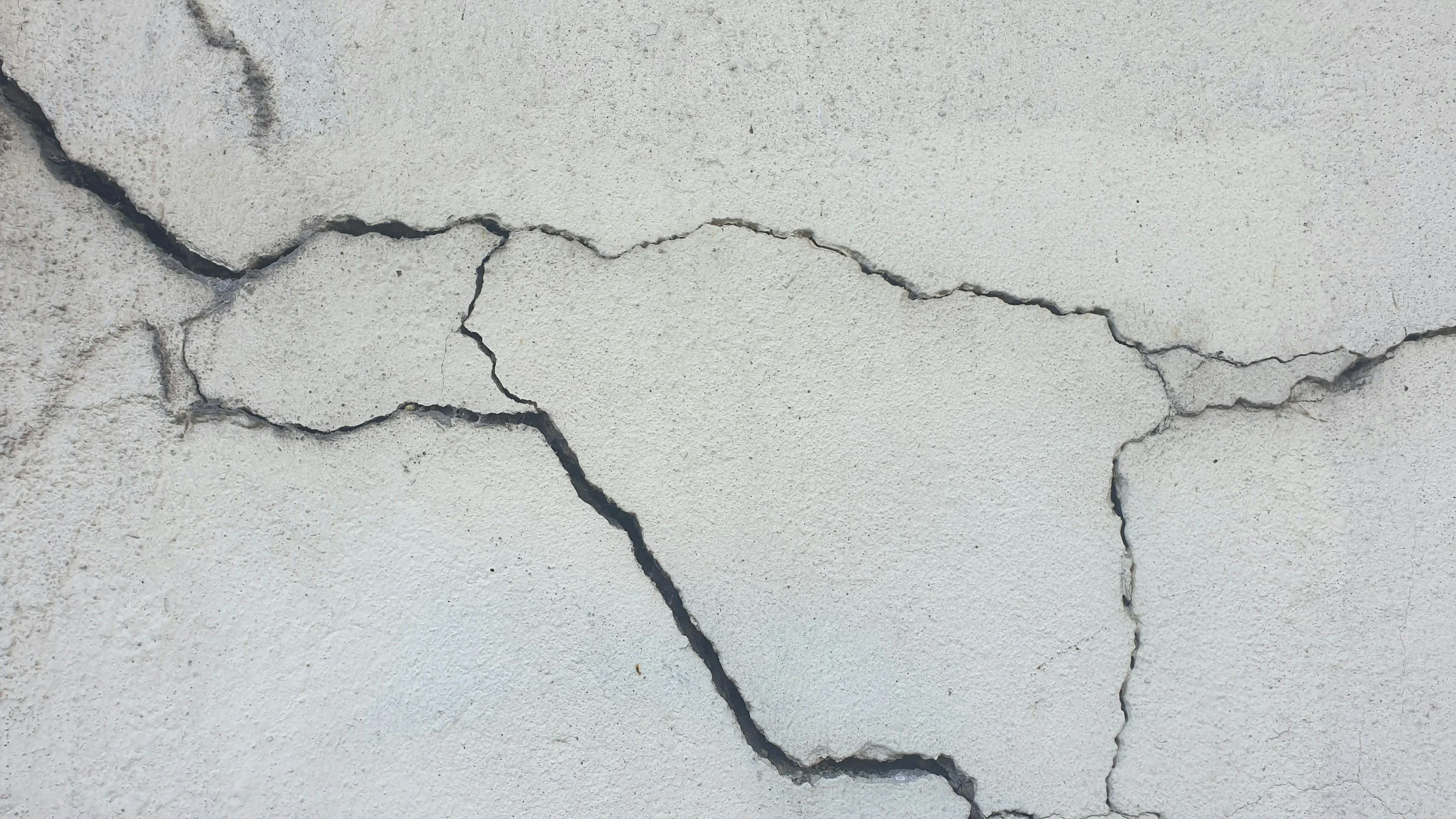
Concrete cracking is one of the most misunderstood issues in construction. Many assume cracks mean bad concrete. In reality, most cracks are caused by jobsite decisions, not the ready mix supplier.
If you understand three key factors—water content, slump, and curing—you can dramatically reduce cracking and increase slab performance.
1. The Water-Cement Ratio: The Hidden Strength Factor
The single most important variable in concrete strength is the water-cement ratio.
Adding extra water on-site may make concrete easier to place, but it also:
Reduces compressive strength
Increases shrinkage
Creates surface dusting
Increases cracking risk
Every gallon of water added beyond the designed mix dilutes performance. What feels easier today can weaken the slab for decades.
2. Slump: What It Really Means
Slump is not strength. It measures consistency or workability.
Higher slump does not equal stronger concrete. In fact:
Higher slump often means more water
More water increases shrinkage
More shrinkage leads to cracking
Proper slump should match the placement method, not personal preference.
For example:
Footings may perform well at lower slump
Pumped concrete requires controlled higher slump with admixtures
Flatwork requires balance between finishability and structural performance
Professional suppliers design mixes to hit target slump without sacrificing strength.
3. The Real Culprit: Rapid Drying and Poor Curing
Most cracks are shrinkage cracks.
Concrete does not dry to gain strength. It cures through hydration. If moisture leaves too quickly due to:
High wind
Hot temperatures
Low humidity
Direct sun exposure
Surface cracking becomes likely.
Proper curing methods include:
Wet curing
Curing blankets
Curing compounds
Early saw cutting (for control joints)
Curing is often rushed. The slab pays the price later.
4. Control Joints: Cracks Will Happen. You Just Decide Where.
Concrete will crack. The question is whether you control it.
Control joints:
Direct cracking along predetermined lines
Reduce random cracking
Improve long-term performance
Spacing rule of thumb: joint spacing in feet ≈ 2–3 times slab thickness in inches.
Example: 4-inch slab → joints every 8–12 feet.
5. What a Quality Ready Mix Supplier Actually Controls
A professional ready mix producer controls:
Mix design proportions
Cement content
Aggregate grading
Admixture dosage
Batch consistency
Plant calibration
What they do not control:
Excess water added on site
Improper finishing
Lack of curing
Delayed joint cutting
Understanding this distinction protects both the contractor and the owner.
How to Reduce Concrete Cracking on Your Next Project
Order the correct mix for the application
Avoid adding water without consulting supplier
Use admixtures instead of water to improve workability
Cure properly and immediately
Install control joints correctly
Concrete is engineered. Treat it that way.
Final Thoughts
Cracking is not usually a concrete failure. It is a process failure.
The difference between a durable slab and a problematic one often comes down to discipline in placement and curing.
If you have questions about mix design, slump requirements, or performance specs, speak with your ready mix supplier before the pour—not after the cracks appear.
